
Unlock Your Go-to-Market Success: 3 Leadership Lessons You Need to Know
Unlock Your Go-to-Market Success: 3 Leadership Lessons You Need to Know
Seven months pregnant, sitting across from startup executives who’d just told me I didn’t fit their profile, I had no idea this moment would teach me everything I needed to know about advocacy under pressure.
Years later, when my doctor called with those three words—“It’s malignant”—I realized the same skills that got me hired despite being “wrong” for the job were the exact ones I’d need to survive both cancer and company crises. Writing Crushing the Cancer Curveball revealed something powerful: the fundamentals of Go-to-Market Success are universal. Whether you’re facing a failed product launch, a customer churn event, or a health scare, the pressure exposes what
The Universal Crisis Playbook
Whether you’re facing a failed product launch, a major customer churn event, or a cancer diagnosis, the fundamentals remain surprisingly consistent. The pressure reveals what actually works versus what we think should work. After leading marketing teams through multiple startups and navigating my own cancer journey, I’ve identified three principles that transform how leaders handle any curveball.
1. Your Emotional Battery Determines GTM Success
Your emotional state controls every customer conversation, team meeting, and board presentation before you even speak.
I learned this during a particularly brutal quarterly business review. Our new product launch was tanking—downloads 60% below projections, sales team morale in the gutter, and our biggest enterprise prospect had just gone radio silent. I’d been working 80-hour weeks, living on coffee and stress, trying to fix everything simultaneously.
Then our CEO asked about our recovery plan, I launched into a defensive explanation about market timing and competitive dynamics. I could see his face change. The conversation shifted from problem-solving to damage control because I was operating on an empty emotional battery.
Research shows that when we’re tired, stressed, or scared, those emotions are biologically clouding our thinking. This applies whether you’re pitching to investors, negotiating with demanding customers, or asking for additional runway.
Now I have a pre-meeting ritual for any high-stakes conversation: I charge my battery to 70-80%. For me, that means:
Writing out my three key points
Reminding myself why I’m confident in my strategy
Preparing to stay curious about other perspectives
When cancer entered my life, I applied the same approach before every oncology appointment. The conversation quality—and outcomes—transformed immediately.
The GTM reality: Most leaders enter crucial moments running on empty, then wonder why they can’t influence outcomes. Your emotional state is your secret weapon or biggest liability.
2. Stop Trying to Create Urgency (You Can’t)
As a marketer, I believed the biggest lie in GTM: that I could create urgency through better messaging.
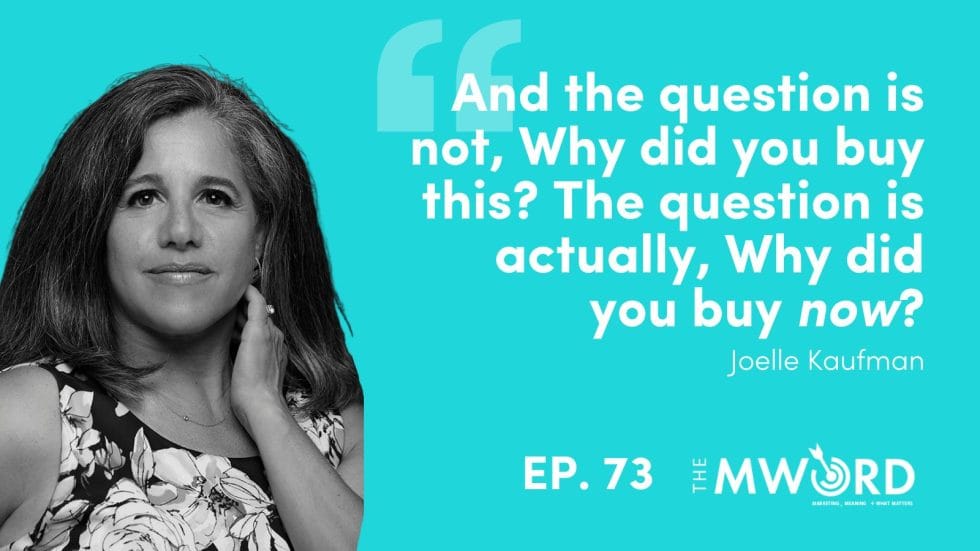
I spent years perfecting “limited time offers,” “end of quarter pricing,” and “first 100 customers only” campaigns. I was convinced that better copy could manufacture urgency. Then I started asking customers a different question: “Why did you buy now?”
The answers shocked me. Nobody mentioned my clever urgency tactics. Instead, they talked about:
Budget cycles and fiscal year planning
New compliance requirements with hard deadlines
Competitive threats forcing immediate action
Team changes create windows of opportunity
External pressures I had no control over
My startup Lifespire proved this lesson painfully. We burned through $2M over 18 months trying to convince healthcare systems they urgently needed our patient engagement solution. We kept refining our messaging, adding more “urgent” language, creating artificial scarcity.
We should have asked: “What’s changed in your organization that makes this timing matter?” We never found that natural urgency, and we failed because we were pushing instead of discovering.
Cancer taught me the same lesson from a different angle. I didn’t convince doctors I was urgent—I found doctors who already understood my situation’s urgency based on my specific markers and timeline.
The GTM breakthrough: The question isn’t “How do I make them care?” It’s “Why would they act now?” Stop pushing. Start discovering. Ask “What changed?” Listen for existing urgency and position yourself to meet it.
3. Advocacy Is Negotiation in Disguise
Whether you’re advocating for marketing budgets, experimental treatments, or engineering resources, the rule stays consistent: advocacy isn’t about what you need—it’s about translating your needs into their language.
I once needed approval for HubSpot’s marketing automation platform—a $50K annual investment during a cash-tight quarter. My first pitch focused on what I needed: “This will make campaign management easier and give us better attribution data.” The CFO’s response was swift: “Come back when you have ROI projections.”
I spent the weekend translating my needs into CFO language: “This platform reduces our cost per lead by 30% and shortens sales cycles by two weeks. Based on our current conversion rates, that generates an additional $200K in quarterly revenue while reducing manual work equivalent to 0.5 FTE.”
Approved within 48 hours.
With oncologists, I learned the same translation game. Instead of leading with fears (“I’m scared about these symptoms”), I spoke their language: research data, clinical outcomes, treatment timelines. Instead of “This might help me feel better,” I said “Based on the research, what approach offers the best statistical outcome for my specific tumor pathology?”
The pattern holds across every function:
With engineering teams: Technical requirements and user stories, not marketing fluff
With sales teams: Lead quality metrics and conversion data, not campaign creativity
With customer success: Retention impact and expansion opportunities, not feature lists
The GTM insight: Successful advocacy starts with understanding what success looks like to the other person. Advocacy isn’t about being the loudest voice in the room—it’s about being most fluent in the language that matters to your audience.
Crisis as Teacher
Your biggest GTM test won’t come during a planned sprint review or quarterly planning session. It’ll come at 2 PM on a Tuesday when your biggest customer threatens to churn, when a competitor launches a game-changing feature, or when market conditions shift overnight.
The skills that help you navigate a cancer diagnosis are identical to the skills that help you navigate any GTM crisis:
Emotional intelligence to stay strategic when pressure mounts
Urgency recognition to identify where motivation already exists
Advocacy through translation to get the resources and support you need
Whether you’re managing a product launch crisis, a major customer escalation, or a health crisis, the fundamentals remain the same.
Practical Implementation
Here’s how to build these skills before you need them:
Daily Battery Check (2 minutes):
Energy level: 1-10?
Stress level: 1-10?
Key message clarity: Can I explain my main point in one sentence?
Weekly Urgency Discovery (15 minutes):
Call 3 prospects or customers
Ask: “What’s changed in your business that makes this timing important?”
Look for patterns in external pressures
Monthly Advocacy Audit (30 minutes):
List your three biggest “asks” (budget, resources, decisions)
For each ask, write what success looks like to the decision-maker
Reframe each ask in their language, not yours
The Narrative Shift
Your biggest leadership tests won’t arrive on a clean timeline. They’ll strike suddenly—when a product tanks, a customer threatens to leave, or a doctor calls with life-changing news.
That’s why Go-to-Market Success is more than hitting quarterly targets. It’s about building the emotional battery to stay strategic, recognizing urgency instead of trying to force it, and advocating in the language that secures resources and alignment. These same principles guide leaders through both business setbacks and personal curveballs.
The curveballs are coming. The question is—will you be ready to turn them into Go-to-Market Success?
Joelle Kaufman is the author of “Crushing the Cancer Curveball” and a marketing leader who has navigated both startup challenges and personal health crises. She believes the same skills that help you lead through business uncertainty can help you navigate any life challenge.
GTMFlow Coaches Differently - with Decades of Operational Expertise
Copyright 2026@Gtmflow.com